Why First Aid Training Is Important For Parents, Teachers, And Carers
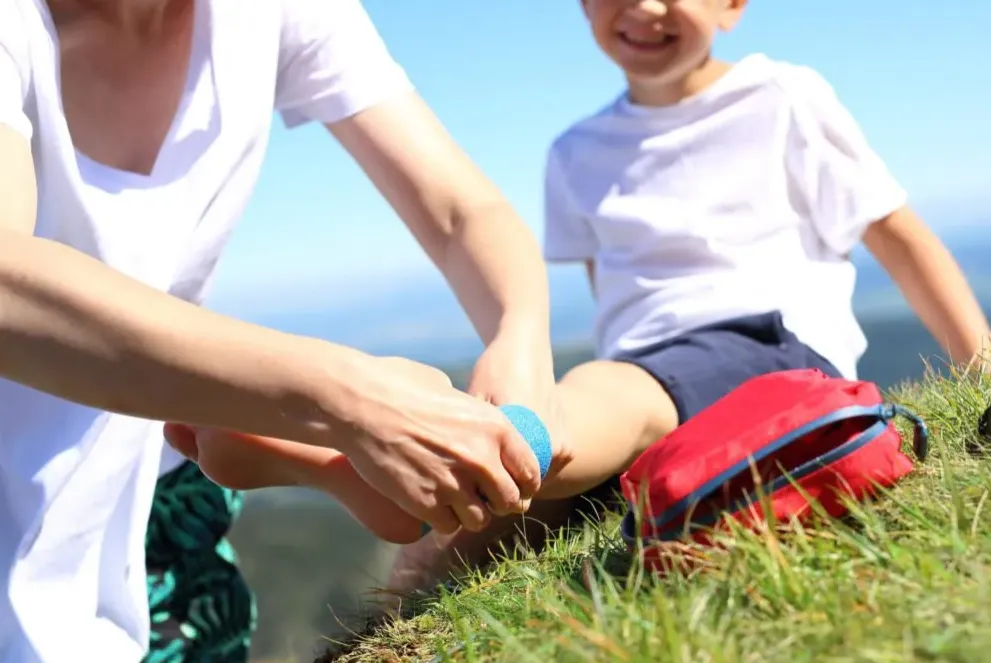
Children are inherently inquisitive, energetic, and sometimes oblivious to the risks in their environment. Accidents may occur at home, at school, or at a daycare facility. Even a little fall, choking incident, allergic reaction, or unexpected sickness might escalate into a major emergency. In these situations, parents, teachers, and carers are often the first to provide assistance. While they wait for expert medical help, having a basic understanding of first aid enables them to react with confidence and provide prompt treatment.
Recognising Typical Childhood Emergencies
As they develop and investigate their environment, children sustain several kinds of injuries. While minor burns, sprains, bruises, and cuts are frequent, certain circumstances call for immediate medical treatment.
For instance, whereas older children may sustain injuries while participating in sports or outdoor activities, smaller toddlers may inadvertently ingest tiny items. Asthma episodes, severe allergic responses, and unanticipated breathing problems might also happen.
Adults who have had first aid training are better able to identify warning signals, comprehend the severity of an accident, and respond appropriately. It’s equally crucial to know when to seek emergency medical attention.
Developing Self-Assurance In Unexpected Circumstances
When a kid is involved, emergencies may be very traumatic. Because they fear doing further damage, parents and other carers may find it difficult to act quickly.
People may get useful skills for managing typical crises by enrolling in a first aid course Darwin. Wound care, burns, choking, fractures, and basic life support are often included in training.
Through hands-on activities, learners may familiarise themselves with emergency protocols. When prompt action is needed, this preparation may help adults react more skilfully and with less hesitancy.
Understanding The Value Of CPR Techniques
Cardiopulmonary resuscitation, or CPR, is an essential emergency response method. It could be required when someone stops breathing correctly and becomes unresponsive.
Compared to adults, children and newborns have distinct physical demands. Therefore, it is especially crucial for anybody who is in charge of children to learn the proper CPR procedures for all age groups.
The completion of CPR training and evaluation may be documented with a CPR certificate Darwin. When an automated external defibrillator is available, participants may learn how to operate it, recognise cardiac crises, provide rescue breaths, and execute the proper chest compressions.
Frequent refresher training also aids people in keeping up their practical skills and knowledge.
Establishing Safer Educational Settings
Throughout the day, groups of kids are watched over by educators and childcare providers. A number of circumstances might raise possible safety issues, from playground activities to classroom activities.
A youngster may be hurt on the playground, have trouble breathing, or have an allergic response when eating lunch. Teachers who are familiar with first aid can identify these issues and take the necessary action.
Additionally, training promotes the maintenance of readily available first aid supplies, the establishment of emergency protocols, and the responsible dissemination of critical medical information in schools and childcare facilities.
When employees are aware of their duties, learning settings are better equipped to handle unforeseen situations.
Handling Emergencies Outside Of The Classroom
Knowledge of first aid is helpful outside of conventional educational settings. Sporting events, camping getaways, swimming excursions, and family get-togethers may all present unforeseen difficulties.
Parents and carers may better prepare for crises in many contexts by taking a Darwin first aid course. Participants may gain knowledge on how to identify risks, safeguard others and themselves, and provide the proper support.
Knowing about heat-related diseases, dehydration, bug bites, and other environmental concerns may be particularly helpful for families who engage in outdoor activities on a regular basis.
These abilities promote safer choices in daily tasks and leisure pursuits.
Motivating Kids To Gain Safety Awareness
Children may learn fundamental safety practices from adults who are knowledgeable about first aid. Basic instruction on identifying risks, reporting accidents, and seeking assistance from responsible people may have a significant impact.
Age-appropriate emergency knowledge, such as how to call emergency services and convey critical information, may be progressively taught to children.
This strategy encourages accountability without inciting needless dread.
Conclusion
Anyone in charge of children’s safety would be wise to invest in first aid training. It boosts self-esteem, enhances emergency awareness, and imparts critical skills for handling accidents and medical crises.
Being ready entails knowing how to respond correctly in unforeseen circumstances for parents, educators, and other carers. Acquiring knowledge of first aid may make communities, families, and schools safer while ensuring that kids get care when they need it most.