Baking Day Mess? How to Handle Flour-Stained Linens, Plus Laundry Help in Yangzhou
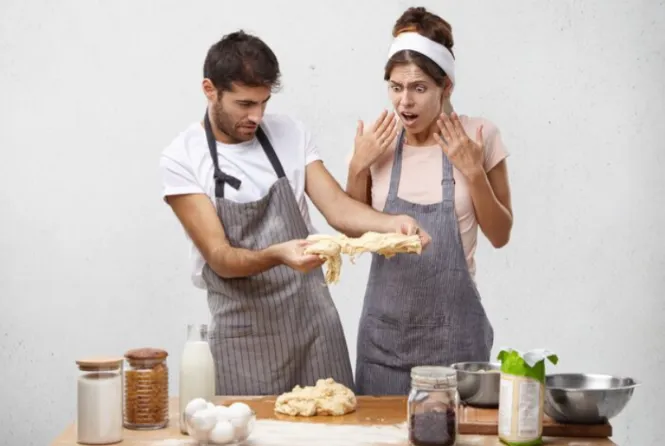
Nothing is quite like the therapeutic rhythm of a baking day in Yangzhou. The kitchen fills with the comforting warmth of preheating ovens, the sweet aroma of yeast, and the golden promise of a perfectly risen loaf of bread.
But let’s be honest: when the flour dust finally settles, your kitchen often looks like a winter wonderland—and not in a good way.
Flour seems to have a magical ability to migrate from the mixing bowl directly onto your favorite apron, tea towels, and tablecloths.
Before you know it, your beautiful linens are covered in stubborn white patches that refuse to brush off. If your therapeutic baking session has left you facing a mountain of messy textiles, don’t panic.
Here are 7 pro tips to handle flour-stained linens, along with the ultimate solution for when the mess gets completely out of hand. Let’s zoom them in…
- Shake and Brush Immediately
The moment flour hits fabric, your immediate instinct might be to grab a wet sponge. Stop right there! Remember, introducing water to dry flour can turn it into instant glue, baking it deep into the weaves of your linens.
So, take the stained items outside and give them a vigorous shake. Use a dry, stiff-bristled brush to whisk away as much loose, powdery residue as possible before introducing any moisture.
- Leverage the Power of a Professional Clean
Sometimes, despite your best kitchen hacks, a heavy baking session leaves your finest fabrics looking worse for wear. This is especially true if the flour combined with:
- butter,
- berry juices, or
- melted chocolate.
In case DIY scraping doesn’t work, call in the experts. Do you happen to be living in and traveling through eastern China’s culinary hubs? If so, you don’t have to let a messy apron ruin your trip.
Look for a reliable laundry service that can instantly take the pressure off your shoulders. The laundry experts will treat your delicate tablecloths and artisanal aprons with professional-grade stain removers that safely dissolve starch without stripping fabric colors.
- Scrape Away the Dried “Dough”
Accidentally got the fabric wet and the flour has already morphed into a hardened, glue-like paste? Don’t worry! Let it dry completely.
Once it gets hard like a rock, use the dull edge of a butter knife or a plastic scraper to gently chip away the dried crust.
You should work carefully from the outside of the stain inward. This way, you will avoid tearing the delicate fibers of your linen.
- Cold Water Flush from the Reverse Side
Once you are done removing all the dry residue, it’s finally time for water—but it must be freezing cold. Remember, hot water cooks the starches in the flour, which permanently sets the stain in the fabric. So, never use it.
Instead, hold the linen under a running cold tap with the backside of the stain facing the stream. That stream of water will force the remaining flour particles out of the fabric threads rather than pushing them deeper in.
- Harness the Power of Liquid Dish Soap
Let’s agree: flour stains are rarely just flour—they usually carry so many invisible traces of baking fats, such as:
- butter,
- oil, or
- shortening.
Have no idea how to tackle this hidden grease? First off, rub a few drops of clear liquid dish soap directly into the damp stain.
Then, work it into a gentle lather with your fingers and let it sit for 10 to 15 minutes to break down the oily bond before throwing it into the wash.
- The White Vinegar Soak for Brightness
On white or light-colored linens, flour can leave a dull, grayish shadow. The best way to restore their crisp look is to submerge the stained items in a basin of cold water mixed with one cup of white distilled vinegar.
Vinegar acts as a natural rinse aid that breaks down stubborn vegetable starches and lifts dinginess, which leaves your baking linens looking brand new.
- Always Line Dry and Inspect First
It’s strongly advisable not to toss a flour-stained item into the tumble dryer immediately after the wash cycle finishes.
Keep in mind, the intense heat of a dryer acts like an oven: it bakes any leftover flour molecules permanently into the cloth.
Always hang your linens on a drying rack first. Don’t forget to inspect them thoroughly under bright light once dry, and only return them to regular storage if the stain is 100% gone.
Wrapping It Up
Baking is an art form that deserves to be messy, joyful, and completely uninhibited. By mastering the science of starch removal and keeping these seven tips in your back pocket, you never have to let the fear of cleanup dampen your culinary creativity.
Go ahead, throw that extra handful of flour onto your kneading board, roll up your sleeves, and bake to your heart’s content: whether it’s a birthday cake or chocolate cookies. Your linens are officially safe.


