Hastelloy Reactor Applications Across Modern Industrial Processes
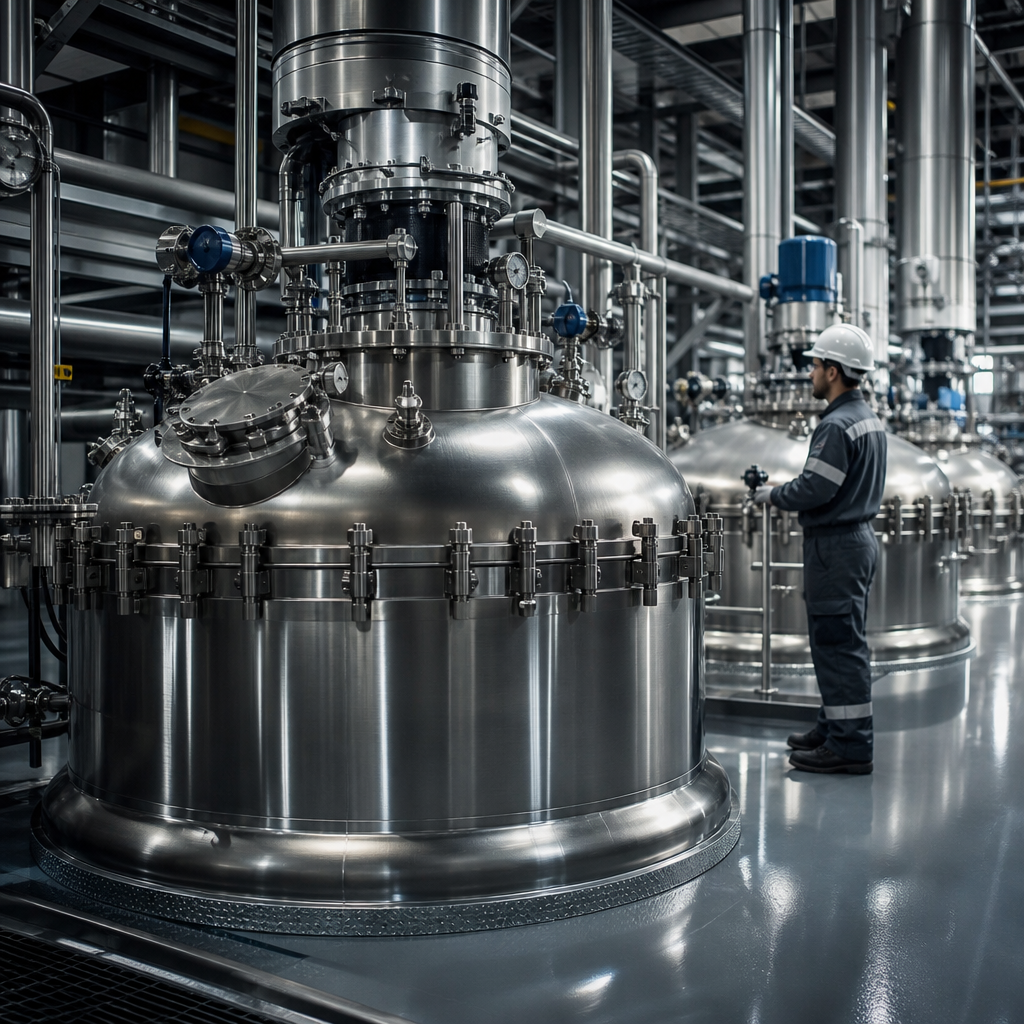
When engineers and plant managers evaluate materials for high-performance chemical processing equipment, few alloys command as much respect as Hastelloy. Known for its exceptional resistance to corrosion, oxidation, and extreme thermal conditions, Hastelloy has become a cornerstone material in industries where failure is not an option. From pharmaceutical synthesis to petrochemical refining, the reactors built from this superalloy are trusted to perform under conditions that would rapidly degrade conventional stainless steel or carbon steel alternatives. Understanding where and how these reactors are deployed gives procurement specialists and process engineers a clearer picture of why the investment is consistently justified.
What Makes Hastelloy the Material of Choice for Reactors?
Hastelloy is a family of nickel-based superalloys developed to withstand aggressive chemical environments. The most commonly used grades in reactor construction include Hastelloy C-276, C-22, and B-3, each engineered with specific elemental compositions to address distinct corrosive challenges. C-276, for instance, contains molybdenum and tungsten, which dramatically improve resistance to pitting and crevice corrosion in oxidizing and reducing environments alike. C-22 offers superior resistance to chloride-induced stress corrosion cracking, making it ideal for processes involving hydrochloric acid or seawater exposure. B-3 is the preferred grade when handling concentrated hydrochloric acid at elevated temperatures.
Beyond chemical resistance, Hastelloy maintains structural integrity across a wide temperature range, from cryogenic conditions to temperatures exceeding 1,000 degrees Celsius in some grades. This thermal stability, combined with excellent weldability and fabrication characteristics, makes it a practical choice not just in theory but in real-world manufacturing environments where complex geometries and tight tolerances are required.
Key Industries Relying on Hastelloy Reactors
Pharmaceutical and Fine Chemical Manufacturing
In pharmaceutical production, product purity is paramount. Any contamination introduced by reactor wall degradation can compromise an entire batch, leading to costly recalls and regulatory consequences. Hastelloy reactors are widely used in API (active pharmaceutical ingredient) synthesis, where aggressive solvents, acids, and bases are routinely employed. The alloy’s non-reactive surface ensures that the chemistry inside the vessel proceeds exactly as intended, without unwanted metallic leaching or surface corrosion that could alter reaction kinetics or product composition.
Petrochemical and Refining Operations
Refineries and petrochemical plants operate under some of the harshest conditions imaginable — high pressures, elevated temperatures, and exposure to sulfur compounds, chlorides, and hydrogen sulfide. Hastelloy reactors used in hydrodesulfurization units, catalytic reformers, and alkylation processes provide the durability needed to sustain continuous operations without frequent shutdowns for inspection or replacement. The economic case is compelling: a reactor that lasts decades rather than years dramatically reduces lifecycle costs and unplanned downtime.
Waste Treatment and Environmental Processing
Industrial waste streams often contain a cocktail of corrosive compounds that challenge even the most robust materials. Hastelloy reactors are deployed in wet oxidation systems, acid neutralization units, and flue gas desulfurization processes where mixed acid environments are common. Their ability to resist both oxidizing and reducing conditions simultaneously — a property few alloys can claim — makes them uniquely suited for these unpredictable chemical environments.
Thermal and Pressure Performance in Demanding Environments
One of the most underappreciated aspects of Hastelloy reactor design is how the material performs under combined thermal and pressure stress. In processes such as supercritical water oxidation or high-pressure hydrogenation, reactors must simultaneously withstand extreme internal pressures and elevated temperatures without creep, fatigue, or stress corrosion cracking. Hastelloy’s high tensile strength and creep resistance at elevated temperatures allow engineers to design thinner-walled vessels compared to lower-grade alloys, which can reduce overall equipment weight and fabrication costs without sacrificing safety margins.
If you are evaluating equipment for a new or upgraded process plant, understanding the full scope of Hastelloy reactor applications is essential to making an informed procurement decision. The range of industries served, the grades available, and the specific performance characteristics of each variant all factor into selecting the right reactor configuration for your operational requirements.
Integrating Process Equipment with Broader Facility Design
Modern industrial facilities are increasingly designed with sustainability and energy efficiency in mind. Just as process engineers carefully select reactor materials to minimize maintenance and maximize output, facility designers are incorporating renewable energy solutions into plant infrastructure. For example, water management systems within industrial campuses sometimes incorporate sustainable water circulation technologies. If you are exploring eco-conscious infrastructure upgrades alongside your process equipment investments, it is worth reviewing how solar-powered water circulation systems can complement broader facility sustainability goals, particularly in outdoor water management and cooling pond applications.
Selecting the Right Heat Management Systems for Process Plants
Alongside reactor selection, thermal management is a critical consideration in any process plant. Heating and cooling systems must be matched carefully to the demands of the chemical processes they support. For facilities evaluating energy-efficient heating solutions, consulting a comprehensive heat pump buying guide can provide valuable context on how modern heat pump technology compares to conventional heating systems in terms of efficiency, operating costs, and environmental impact. While heat pumps are more commonly associated with commercial and residential applications, the underlying thermodynamic principles are directly relevant to industrial process heating and cooling system design.
About International Process Plants
International Process Plants is a globally recognized supplier of used and reconditioned process equipment, with an extensive inventory that includes reactors, heat exchangers, distillation columns, and complete plant systems. With decades of experience serving the chemical, pharmaceutical, petrochemical, and food processing industries, the company has built a reputation for sourcing high-quality equipment that meets rigorous operational standards. Their team of experienced engineers and equipment specialists provides expert guidance to help clients identify the right equipment for their specific process requirements, whether they are building a new facility from the ground up or expanding an existing operation. International Process Plants maintains a commitment to transparency, technical accuracy, and client satisfaction that has made them a trusted partner for process engineers and procurement professionals worldwide.
Conclusion: Making the Right Reactor Investment
Choosing a reactor material is one of the most consequential decisions in process plant design. The wrong choice can lead to accelerated corrosion, contamination of valuable products, costly unplanned shutdowns, and significant safety risks. Hastelloy, with its proven track record across some of the world’s most demanding chemical processing environments, offers a level of reliability and longevity that few alternative materials can match. Whether your application involves aggressive acids, high-temperature oxidation, or complex mixed chemical environments, there is likely a Hastelloy grade engineered to meet your specific needs. Working with experienced equipment suppliers who understand both the material science and the operational context ensures that your reactor investment delivers maximum value over its full service life.


